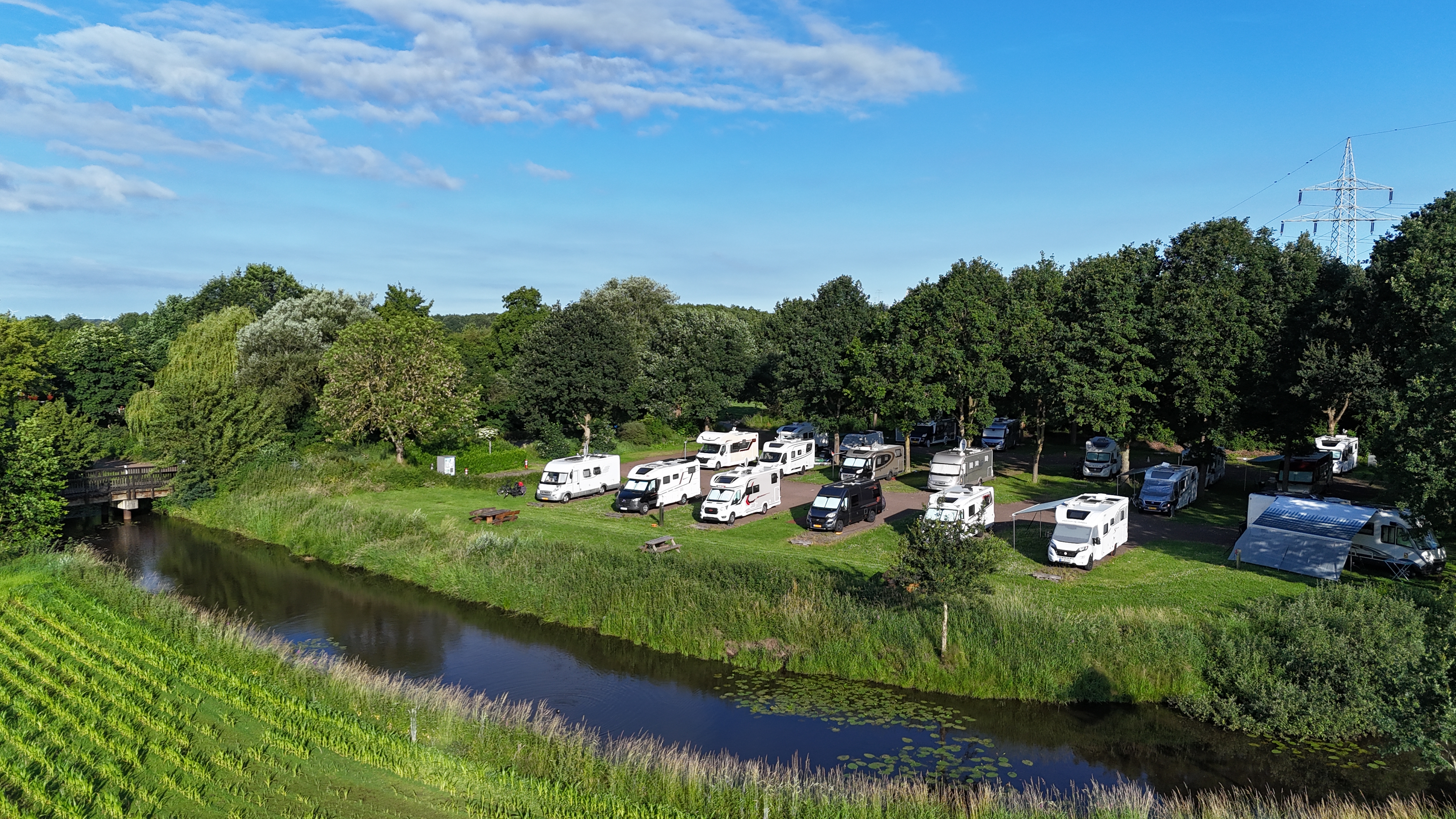
Our register holds 941 German campsite records: 489 with a photograph, 829 with a telephone number, 771 with a description. Against the German averages — 26% photographed, 37% telephoned — that makes campsites the second-best-documented class in the country, behind motorhome pitches. It also makes them the class where the row count is most misleading. There are not 941 campsites in here. There are about 846 places, filed 941 times.
Where these numbers come from. The German National Tourist Board publishes accommodation records collected by the regional tourism boards as open data. We hold 44,413 active German records. The 941 below are the rows where either the property-type field or the category list names a campsite, a camping ground or a tent site. Every figure was re-derived on 17 August 2026 and is quoted with its denominator.
What the register counts as a campsite
Six tokens, two fields, one concept. The property-type field is the strict answer at 704 rows; the category list adds another 237 that the type field missed. There is no way to reconcile them from inside the data, so we publish the union and print the parts.
A wider sweep finds five more, and no more than five. Casting the net over every lower-case and English spelling in the register — campingplatz, Campground, Zeltplatz, Campingplätze, Jugendzeltplatz — returns 946 rather than 941. That is reassuring: the vocabulary is messy but not bottomless. It is worth knowing that one Bavarian producer files its categories as raw search keywords, so the category list on those rows reads “knaus campingpark viechtach”, “drachencamping”, “campingplatz perlsee” — real places written into a taxonomy field.
941 rows, 846 places
Normalise the name and pair it with the town, and 941 rows collapse to 846 distinct name-and-town combinations. Ninety-five rows are therefore a second copy of a site already in the register. The websites tell the same story from a different direction: 801 rows carry a web address and there are 663 distinct addresses among them.
Camping Illertissen GbR appears twice — once from the national feed, once from the Bavarian one, with two different photographs, two different licences and two different property types. Baumzelte Solling in Uslar appears twice with the same photograph filed under two different asset IDs.
This is not a fault to hide, it is the single most useful thing to know about the file. Anyone who counts rows in an open tourism register and calls the result a market size will overstate it by roughly a tenth on this class. We nearly did.
227 of them are also motorhome pitches
The boundary between a campsite and a Wohnmobilstellplatz is soft in reality — many campsites run a pitch area outside the barrier — and in this register it is not drawn at all. A quarter of the campsites are filed as both.
So adding the two headline figures is wrong. 941 plus 781 is 1,722; the actual union is 1,495 rows. If you want the honest count of German outdoor-accommodation records we hold, that is the number — and after the duplicate correction above, fewer places again. The pitches have their own article: Germany's motorhome pitches.
The official star grade is typed into the name field
German campsites are graded one to five stars by the DTV, and campsite operators put that grade in their trading name. The register faithfully carries it — as asterisks inside the name string. There is also a numeric star field. They are almost entirely different sets of properties.
What a campsite record does tell you
689 of the 941 rows carry at least one amenity token. Within those, the vocabulary is recognisably a campsite vocabulary rather than a hotel one — bread-roll delivery and gas-bottle exchange are not fields any hotel dataset has.
The last row is the only capacity figure in the entire class. Thirty-two sites say they have at least fifty pitches. Nothing anywhere says how many pitches any other site has, how many are for tents, or how many are already let for the season. Dogs are answered by 226 rows and 171 of those say yes — 75.7%, well above the 39.7% German average, and analysed properly against the negation trap in the motorhome pitch article.
The photographs are geographically lopsided in a way the counts are not. Postcode area 3 — southern Lower Saxony and northern Hesse — holds 171 campsites and 137 pictures. Postcode area 9, Franconia, holds 120 campsites and 13 pictures. Bavaria files its campsites; it does not file their photographs. Across the class, 489 images resolve to 481 distinct files, seven of which are declared stock or symbol images in their own file names — a far cleaner picture set than the motorhome pitches manage.
How to use this
- Check for a twin before you believe a listing. If a site looks oddly duplicated with different details, it is — 95 rows in this class are second copies, and the two copies can disagree on property type, photograph and licence.
- Telephone. 829 of 941 have a number, and none of the 941 has a booking link. The entire catalogue contains thirteen booking links.
- Treat the asterisks in a name as the operator's claim, not as a verified grade, and check the DTV register if the grade matters to you.
- Assume the facility list is incomplete. A quarter of the rows carry no amenity data at all, and the most complete field in the class — playground — still only reaches a quarter of the ones that do.
Four campsites the register documents properly
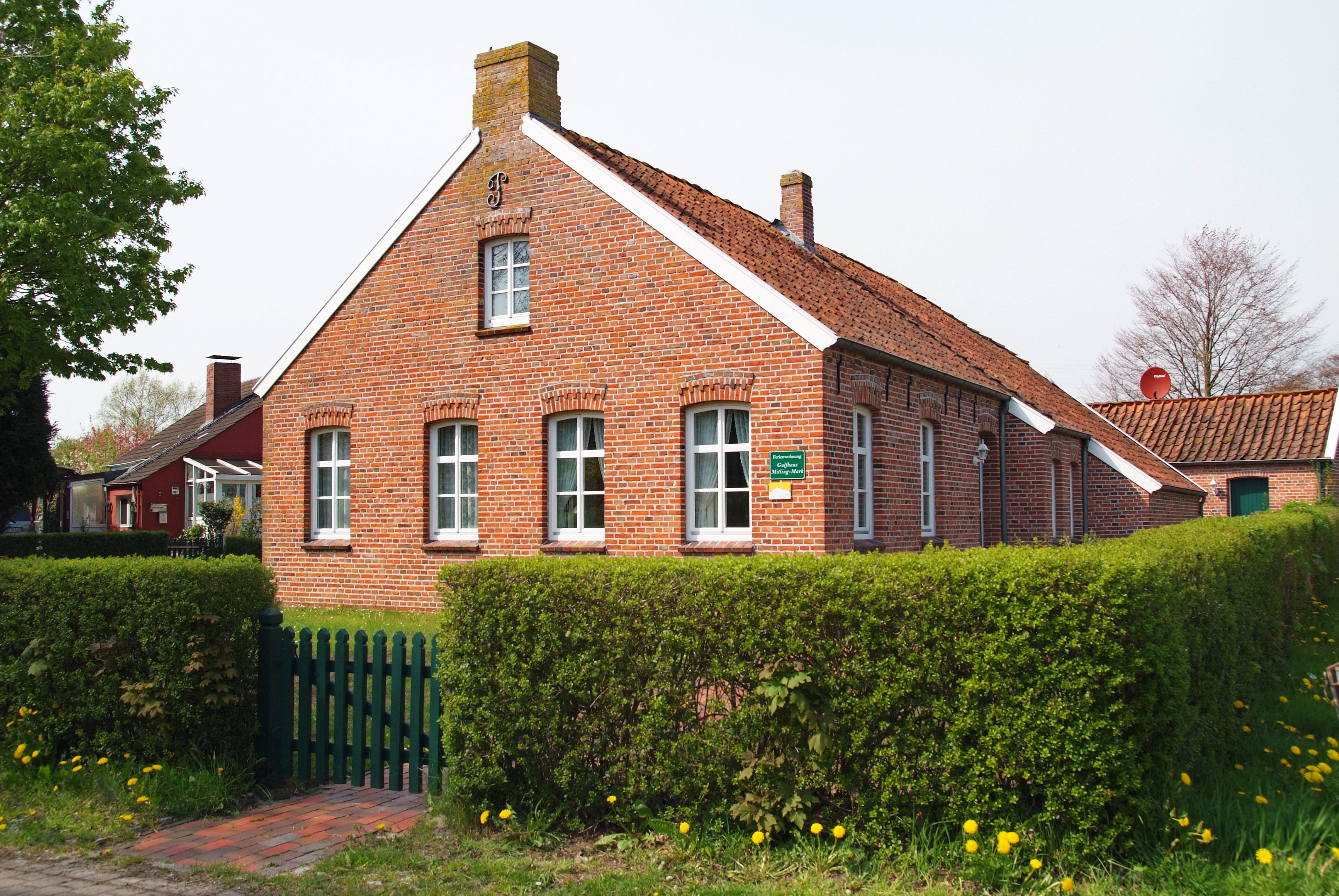
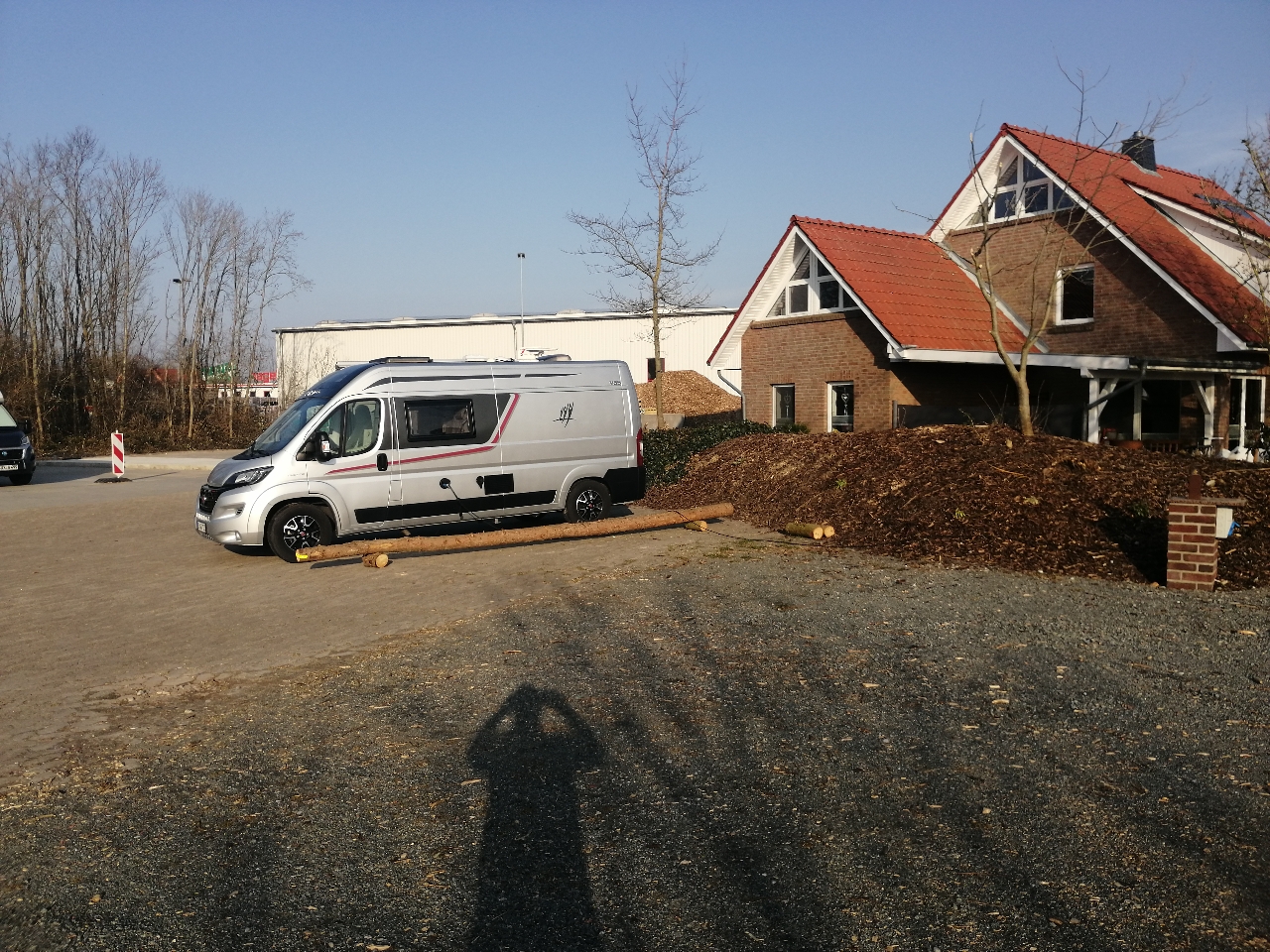
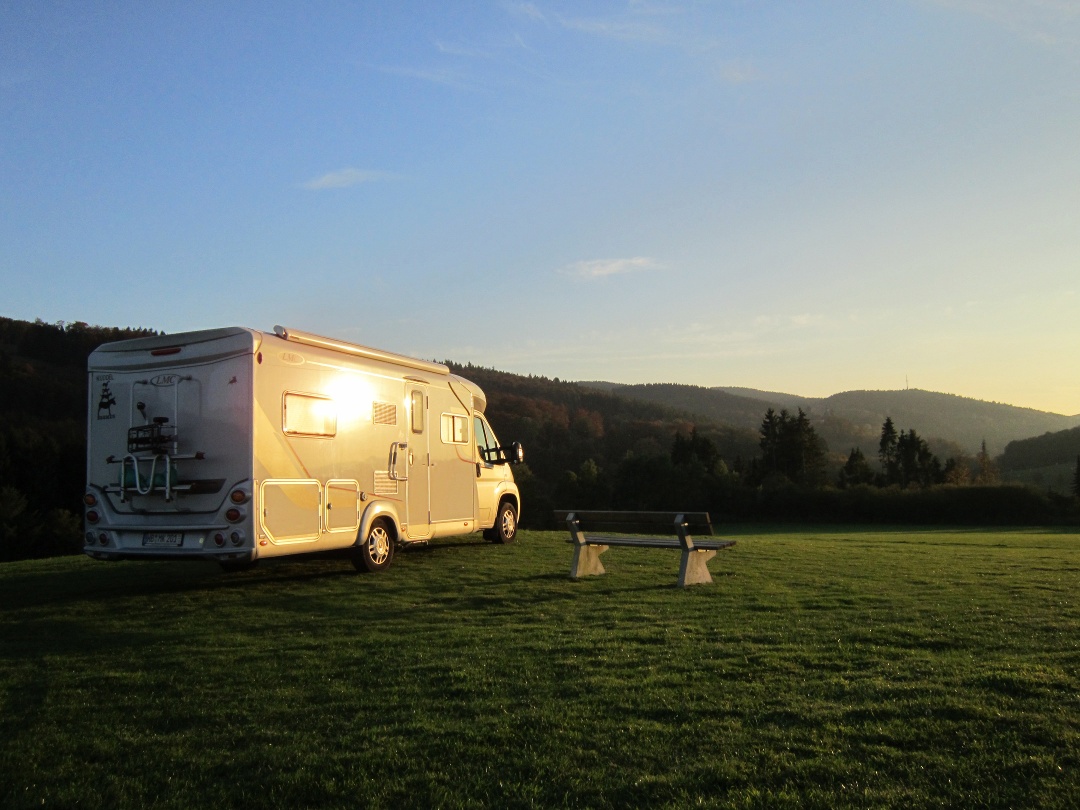
Each carries its own photograph, a phone number, a website and a description — the combination only about half of the class manages.
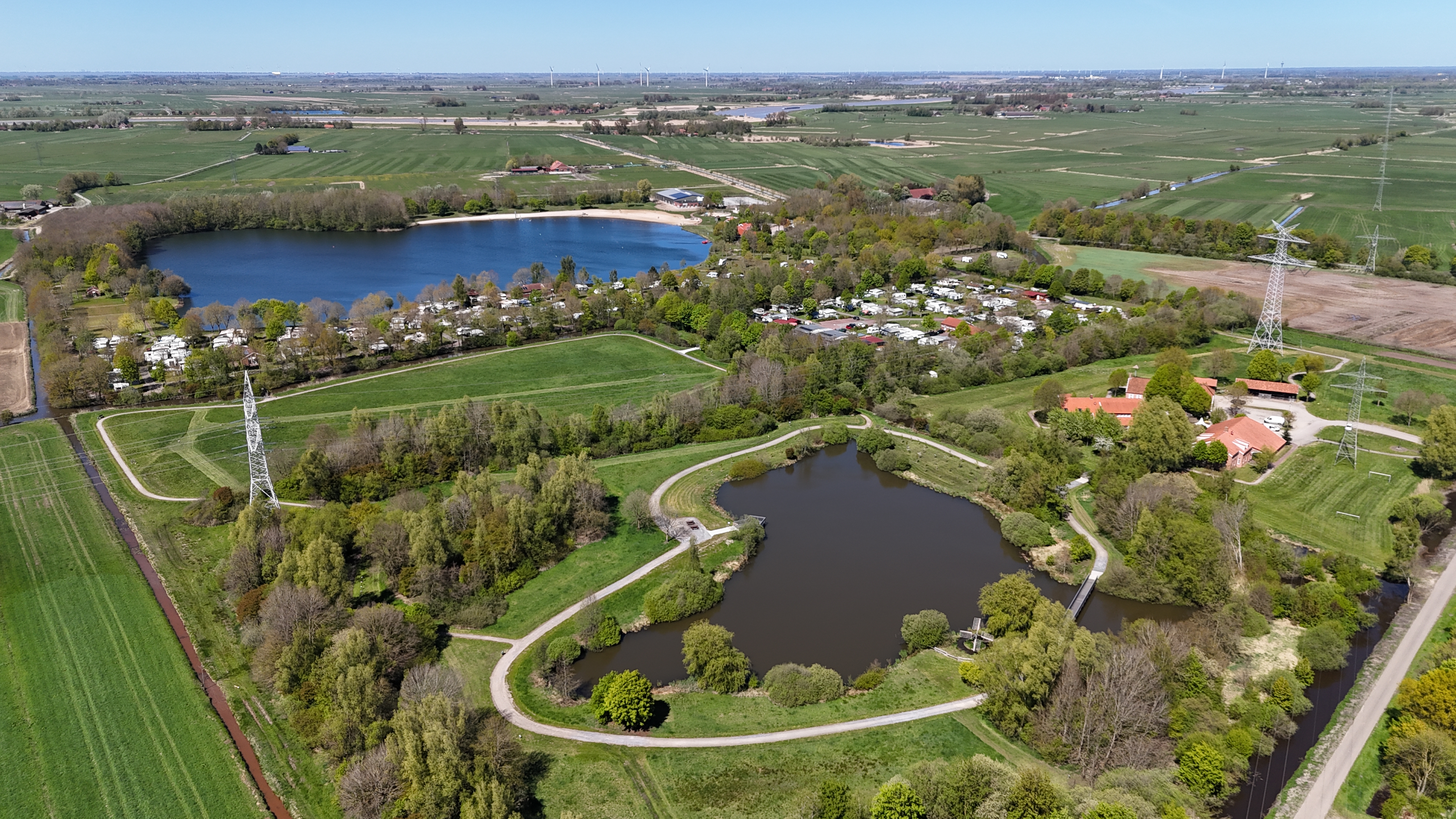
Campingplatz "Am Emsdeich" Ostfriesland
3.5Westoverledingen, Deutschland
- Liegewiese
- Gruppenangebote
- Hausprospekt
Preis auf Anfrage
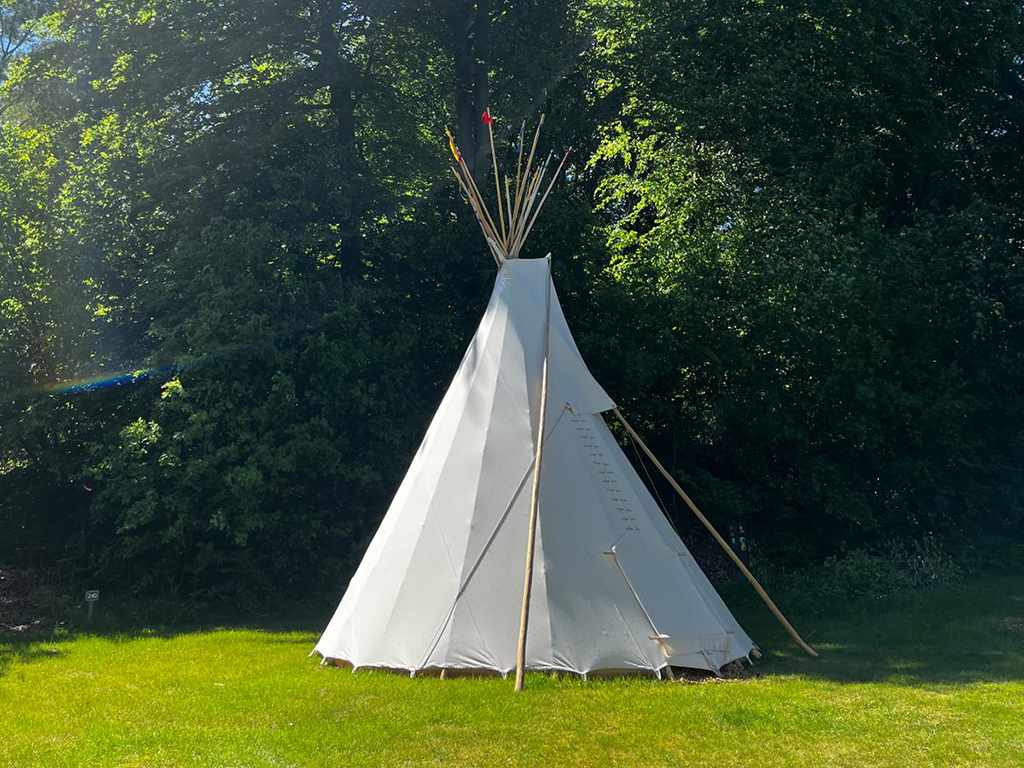
KNAUS Campingpark Wingst
Wingst, Deutschland
- Waschmaschine
- Grillplatz
- Spielplatz
Preis auf Anfrage

Camping am Nürburgring GmbH
Müllenbach, Deutschland
- Restaurant
- Senioren
- Gruppen
Preis auf Anfrage
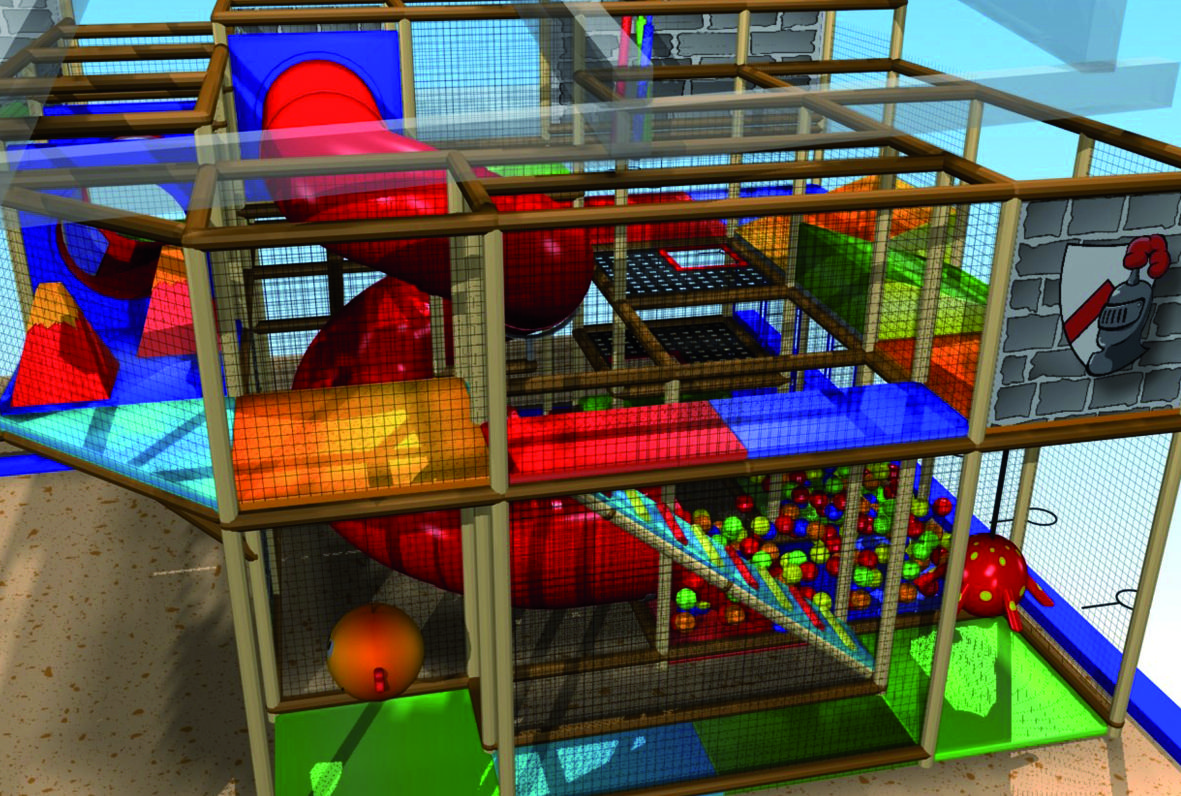
Camping- & Freizeitpark LuxOase
Bretnig-Hauswalde, Deutschland
- Service
- Mietcaravan
- WiFi
Preis auf Anfrage
What we don't know
- No prices, no opening season, no pitch counts beyond a single at-least-fifty flag, no electricity amperage, no ADAC grading. A site open from April to October looks identical here to one open all year.
- The 846 figure is itself approximate. It normalises name and town; a site that renamed itself between two feeds still counts twice, and two genuinely separate sites with the same name in the same town would count once.
- Amenity flags are self-declared to a regional tourism board and are not audited. Nothing here has been checked by anyone, including us.
- The class boundary is a judgement. Fourteen rows enter this set only through the tent-site token, and 227 are equally defensible as motorhome pitches. A different boundary gives a different headline number, which is why we printed the parts.
- Photograph coverage is a property of the tourism board, not of the campsite. Franconia's 10.8% picture rate says nothing about Franconian campsites.
- No review scores. Thirty-two rows in the entire 132,375-row catalogue carry one.
Sources
Deutsche Zentrale für Tourismus open-data knowledge graph (destination.one), sourced from the regional tourism boards and licensed CC0 / CC BY / CC BY-SA / public domain depending on the record; a small number of Bavarian rows arrive through the Bayern Cloud. Retrieved 17 August 2026: 44,413 active German records held, 941 in the campsite union above. Hero photograph: Campingplatz »Am Emsdeich«, Westoverledingen in Ostfriesland, by Patrick Anneken, supplied through destination.one under CC BY-SA 4.0.
More from the same catalogue
- Germany's motorhome pitches: all 781 we hold — the neighbouring class, and the 227 rows both articles share.
- Germany's North Sea islands — the same feed, and the one town in it that is documented in full.
- Dog-friendly stays in the Sauerland — the German pet vocabulary handled carefully, across fourteen towns.
- Every property we hold in Rinteln — a Weser town whose campsite and motorhome pitch are the same row.